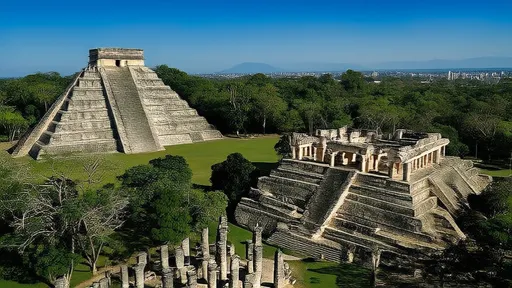
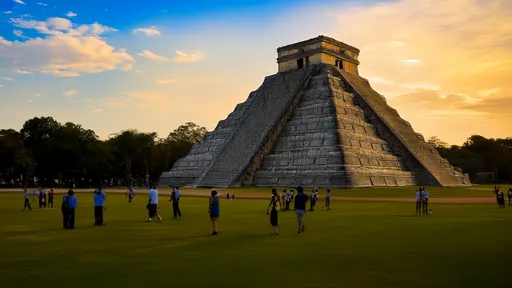
As the final rays of the September 22nd, 2025, sunset carved long shadows across the great pyramid of Kukulkan at Chichén Itzá, a collective hush fell over the crowd of thousands. They had gathered from every corner of the globe, their eyes fixed on the northwestern corner of the structure. Then, as if by divine magic, the play of light and shadow began. The famous serpent's body, a series of seven triangles of light, slithered down the staircase, connecting with the massive stone snake heads at the base. For a few breathtaking minutes, the Feathered Serpent god, Kukulkan, appeared to descend to earth. The roar that erupted from the crowd was not just one of appreciation for a celestial alignment, but a testament to the enduring power of ancient wonder in our modern world. The 2025 equinox event was, by all accounts, a logistical marvel and a cultural phenomenon, setting a new benchmark for how we engage with our planet's archaeological treasures.
The success of the 2025 gathering, however, was not without its challenges. The small town of Pisté and the surrounding infrastructure of Yucatán were pushed to their absolute limits. Hotels were booked solid a year in advance, rental cars became a mythical commodity, and the sheer volume of visitors put immense strain on the ancient site itself. While local authorities and the Instituto Nacional de Antropología e Historia (INAH) managed the crowds admirably, it was clear that the world's appetite for such direct, immersive historical experiences had grown exponentially. The event was a clear signal: the passive observation of history is no longer enough. People crave connection, a tangible link to the past, and they are willing to traverse continents to find it. This unprecedented turnout for the 2025 autumn equinox is the most critical data point any traveler must consider when planning for the 2026 event.
So, the question for the aspiring time-traveler, the history enthusiast, and the cultural pilgrim is a pressing one: how does one navigate the anticipated frenzy of the 2026 equinox at Chichén Itzá? The answer lies in a strategy that embraces early, deliberate, and flexible planning. The era of spontaneous trips to witness the descent of Kukulkan is, for the foreseeable future, over. Your 2026 journey must be conceptualized not as a simple vacation, but as an expedition requiring tactical foresight.
The single most important factor for 2026 will be the timing of your arrangements. If the 2025 event taught us anything, it is that procrastination is the enemy of participation. The ideal timeline begins now. Major airlines typically release their flight schedules approximately 11 months in advance. This means that by late October or November of 2025, you should be monitoring flight prices into Cancún International Airport (CUN) or, better yet, into the smaller and often more convenient Mérida International Airport (MID). Securing flights the moment they become available can mean the difference between a reasonable fare and a prohibitive one. The same urgency applies to accommodation. The charming hotels in Pisté, the boutique stays in Valladolid, and even the larger resorts along the Riviera Maya will see their inventory for the equinox week disappear rapidly. Consider your lodging not just a place to sleep, but a strategic base camp. Proximity to Chichén Itzá is key, as roads on the equinox morning will be heavily congested.
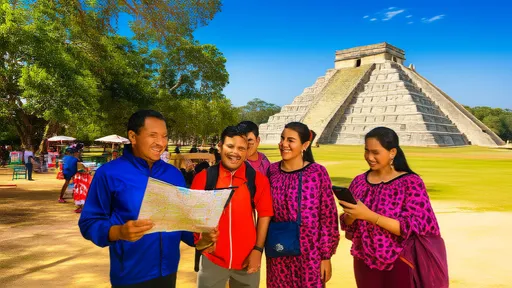
Beyond the basics of flights and hotels, a sophisticated plan for 2026 must account for the on-the-ground experience. The equinox itself draws the largest crowd, but the phenomenon is often visible a day before and a day after the official date. A clever strategy is to plan your visit to the archaeological zone for one of these adjacent days. The crowds will be significantly thinner, allowing for a more contemplative exploration of the entire site—the Great Ball Court, the Temple of the Warriors, the Observatory. You can appreciate the equinox effect with a fraction of the pressure, often with similar clarity. Then, on the day of the equinox, instead of fighting for a sliver of space on the main lawn, you can participate in the festival atmosphere from a different vantage point. Many local guides offer specialized tours to lesser-known Maya sites in the area, such as Ek Balam or the stunning cenotes, providing a rich, full-day alternative while still being part of the equinox energy.
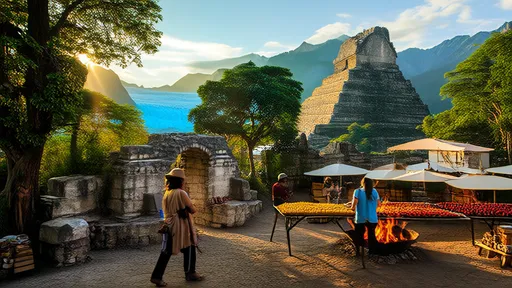
Furthermore, a truly memorable 2026 experience will look beyond Chichén Itzá itself. The Yucatán Peninsula is a tapestry of living Maya culture, exquisite cuisine, and unique natural wonders. To design a trip that transcends the singular event, build an itinerary that incorporates these elements. Dedicate a day to exploring the colonial city of Mérida, with its vibrant music and food scene. Journey to the biosphere reserve of Celestún or Río Lagartos to witness vast flocks of flamingos. Spend an afternoon swimming in the crystal-clear, sacred waters of a cenote like Ik Kil or Suytun. By framing the equinox as the centerpiece of a broader cultural immersion, you mitigate the risk of potential disappointments related to weather or crowds and guarantee a profoundly rewarding journey regardless.
It is also crucial to approach the 2026 equinox with a mindset of respect and sustainability. The massive influx of visitors presents a real threat to the preservation of Chichén Itzá. As you plan, commit to being a responsible traveler. Choose tour operators who are certified and have a clear policy on sustainable practices. Follow all site regulations meticulously—do not climb on restricted structures, refrain from touching the carvings, and carry out all your trash. The descent of Kukulkan is a gift from the ancient Maya and the cosmos; our responsibility is to ensure that this wonder remains intact for generations of pilgrims to come.
In essence, the blueprint for the 2026 autumn equinox is one of advanced preparation and strategic thinking. The days of casual attendance are gone, replaced by an opportunity for a deeply planned, culturally rich adventure. By booking travel and accommodation almost a year in advance, considering alternative viewing days, expanding your itinerary to encompass the wonders of the Yucatán, and traveling with a conscientious spirit, you can transform a potential logistical challenge into the journey of a lifetime. The shadow of the serpent will fall once more on September 22nd, 2026. The only question is whether you will be among the prepared, the mindful, and the truly awe-struck witnesses.

By /Sep 28, 2025
By /Sep 28, 2025
By /Sep 28, 2025

By /Sep 28, 2025

By /Sep 28, 2025
By /Sep 28, 2025
By /Sep 28, 2025
By /Sep 28, 2025

By /Sep 28, 2025
By /Sep 28, 2025
By /Sep 28, 2025
By /Sep 28, 2025
By /Sep 28, 2025
By /Sep 28, 2025
By /Sep 28, 2025

By /Sep 28, 2025
By /Sep 28, 2025

By /Sep 28, 2025

By /Sep 28, 2025
By /Sep 28, 2025