Stepping into Mexico City's Centro Histórico feels like entering a living archive where the very stones beneath your feet whisper tales of conquest, revolution, and resilience. This is not merely a district; it is the throbbing heart of a metropolis, a UNESCO World Heritage site sprawling across 34 city blocks that contain a staggering concentration of history, art, and the vibrant, unyielding spirit of the Mexican people. To wander these streets is to embark on a journey through time, where the grandeur of a fallen Aztec empire collides and intertwines with the ornate legacy of Spanish colonialism.
The experience begins with the sheer physicality of the place. The iconic cobblestone streets, known locally as adoquines, are more than just a quaint aesthetic feature. They are a testament to the city's layered past, their uneven surfaces a challenge to modern haste, forcing a slower, more deliberate pace. With every step, you are invited to look up and around, to absorb the details that speed would otherwise erase. The sound of your footsteps echoes in a rhythm that has been played for centuries, a percussive accompaniment to the distant mariachi music and the lively hum of street vendors.
At the literal and symbolic center of it all lies the Zócalo, one of the largest public squares in the world. This vast, flag-stoned plaza is a stage for the nation's soul. On any given day, it might host indigenous dance ceremonies whose roots predate the Spanish arrival, political protests echoing with calls for change, or serene evenings where couples and families simply enjoy the open space. Flanking the square are the three pillars of colonial power: the Metropolitan Cathedral, the National Palace, and the remnants of the Templo Mayor. Standing before them, you witness a profound dialogue between epochs. The cathedral, built with stones from the destroyed Aztec temple, represents the spiritual conquest, its baroque and neoclassical facades looming over the excavated ruins of the ancient Templo Mayor, which now sit exposed like an open wound—or a reclaimed treasure—beside it.
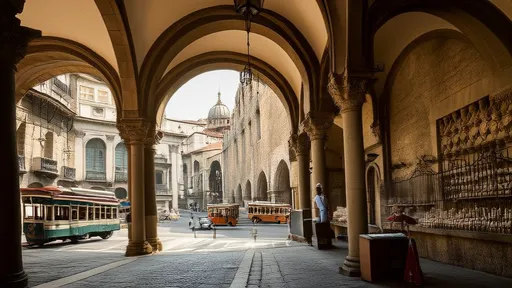
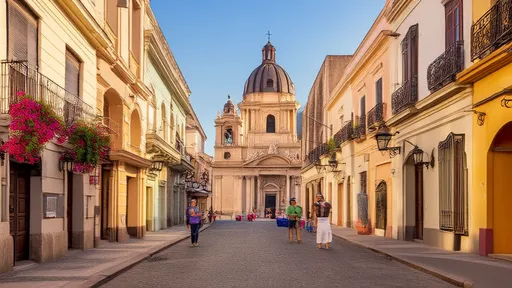
Moving away from the Zócalo, the grid of streets unfolds like a map of colonial ambition. Avenida Madero, a pedestrian thoroughfare, leads you westward from the square towards the other great landmark, the Palacio de Bellas Artes. This street is a continuous parade of life. You pass by centuries-old churches, their interiors dim and cool, smelling of incense and old wood, standing in stark contrast to the gleaming storefronts of modern banks and international brands that now occupy the grand colonial buildings. The architecture here is a textbook of styles—from the severe Plateresque and intricate Churrigueresque baroque of the 16th and 17th centuries to the more refined Neoclassical and even Art Nouveau influences of later periods. Look up to see the weathered volcanic stone of the tezontle contrasting with the bright reds, yellows, and blues of the building facades, and the intricate wrought-iron balconies brimming with flowers.
One of the greatest pleasures of exploring the Historic Center is the discovery of its hidden courtyards, or patios. Many of the grandest buildings feature enormous wooden doors that, if left ajar, offer a tantalizing glimpse into serene, leafy oasis hidden from the street's chaos. These were the central features of colonial homes, places of private life and social gathering. Today, many have been converted into charming cafes, art galleries, or boutique hotels. To step through one of these portals is to leave the public spectacle behind and enter a world of quiet contemplation, where the sound of a fountain replaces the noise of traffic, a powerful reminder of the layered privacy and publicness that defines this urban space.
The colonial narrative, however, is not one of pristine preservation but of dynamic adaptation. The 20th century left its own bold marks, most notably with the construction of the Torre Latinoamericana. When it was completed in 1956, it was a symbol of modern Mexico's triumph over the unstable lakebed upon which the city is built, having withstood a major earthquake just a year later. From its observation deck, you gain a breathtaking perspective that truly contextualizes the 34 blocks. You see the perfect grid of the colonial plan, the red tiled roofs, the domes of countless churches, all set against the stunning backdrop of the surrounding modern skyscrapers and the often snow-capped peaks of Popocatépetl and Iztaccíhuatl volcanoes. It is a view that encapsulates the city's eternal dialogue between its deep history and its relentless forward momentum.
But the history of the Centro Histórico is not confined to architecture and urban planning; it is etched into the very social fabric. This was the stage for the major events of Mexican history, from the tumult of the War of Independence to the ideological battles of the Mexican Revolution. The names of the streets themselves are a record of this past, honoring heroes, dates, and trades. It is also a place of continuous cultural production. The area is dense with museums, from the immense National Museum of Art to smaller, more intimate spaces dedicated to everything from caricature to folk art. Street performers, from pre-Hispanic voladores who spin from high poles to contemporary musicians, add a layer of living culture to the historical backdrop.
To truly understand Mexico City's Historic Center is to embrace its beautiful, chaotic contradictions. It is a place where the sacred and the profane coexist effortlessly. You can attend a solemn mass in a 400-year-old church and then, a block away, haggle for souvenirs in a bustling market. It is a place of immense wealth and visible poverty, of polished museums and gritty, authentic cantinas that have served the same drinks for generations. The air is a unique blend of scents—exhaust fumes from the crowded streets, the aroma of roasting corn and frying tortillas from food stalls, and the faint, sweet smell of cempasúchil marigolds from a nearby altar.
Ultimately, a tour of these 34 blocks is more than a sightseeing itinerary; it is an immersive experience. It requires a willingness to get lost in the labyrinth of side streets, to follow the sound of music, to accept an invitation to try a mysterious street food, to sit on a bench and simply watch the world go by. The colonial风情 is not a museum piece behind glass; it is the very framework of a community that is vibrantly, noisily, and passionately alive. The cobblestones have witnessed empires rise and fall, and they now support the footsteps of a city that is constantly redefining itself while forever honoring the profound depths of its past. To walk through the Centro Histórico is to feel the pulse of Mexico itself—a rhythm that is complex, enduring, and irresistibly captivating.

By /Sep 28, 2025
By /Sep 28, 2025
By /Sep 28, 2025
By /Sep 28, 2025

By /Sep 28, 2025
By /Sep 28, 2025
By /Sep 28, 2025
By /Sep 28, 2025

By /Sep 28, 2025
By /Sep 28, 2025

By /Sep 28, 2025

By /Sep 28, 2025
By /Sep 28, 2025
By /Sep 28, 2025
By /Sep 28, 2025

By /Sep 28, 2025
By /Sep 28, 2025

By /Sep 28, 2025

By /Sep 28, 2025
By /Sep 28, 2025