Mexico's vibrant culture, stunning beaches, and ancient ruins make it an irresistible destination for independent travelers seeking adventure beyond the confines of packaged tours. However, news reports and government travel advisories frequently highlight a significant challenge: road safety. The country's roads witness a high frequency of accidents, a concern that every free-spirited traveler must seriously address. Navigating this beautiful yet complex landscape requires more than just a good map and a sense of direction; it demands a proactive and informed approach to personal safety.
The reasons behind Mexico's traffic safety issues are multifaceted. A combination of factors, including varying road conditions, diverse driving customs, and sometimes inadequate emergency response infrastructure in remote areas, contributes to the risks. For the unprepared tourist, a dream road trip can quickly turn into a nightmare. Therefore, the key to a safe and enjoyable journey lies not in avoidance, but in meticulous preparation and situational awareness. This involves making smart choices before you even rent a car, staying vigilant while on the move, and knowing exactly what to do if the unexpected occurs.
Laying the Groundwork: Pre-Trip Planning is Your First Line of Defense
Your safety strategy begins long before you land in Mexico. Thorough research is non-negotiable. Start by consulting your government's official travel advisory website. These resources provide up-to-date, region-specific safety information. Some states may have Level 4 "Do Not Travel" advisories due to crime, while popular tourist destinations might be at a lower risk level. Understanding these distinctions is crucial for planning your itinerary. It is equally important to invest in comprehensive travel insurance that explicitly covers road traffic accidents and includes robust medical evacuation provisions. Scrutinize the policy details to ensure you are adequately covered for the activities you plan to undertake.
When it comes to transportation, choosing a reputable rental car company is paramount. While local, budget-friendly agencies might be tempting, international brands often have more rigorous vehicle maintenance standards and offer clearer emergency support protocols. Before finalizing your booking, verify what insurance is included. Mexican law requires a specific type of liability insurance, which is often not covered by your credit card's rental insurance or your personal policy. Decline the Collision Damage Waiver at your own peril; without it, you could be held fully liable for any damage to the rental vehicle, regardless of fault. Always conduct a meticulous inspection of the car before driving off the lot. Document any existing dents, scratches, or mechanical issues with photos or video, and ensure the rental agent notes them on the contract.
On the Road: Mastering Defensive Driving and Local Nuances
Once behind the wheel, your mindset must shift to one of extreme caution and adaptability. Defensive driving is not just a skill; it is a necessity. Assume that other drivers might not follow the rules you are accustomed to. Be prepared for sudden stops, unpredictable lane changes, and vehicles pulling onto the highway from concealed entrances. A critical rule to internalize is the concept of "topes" – speed bumps. These are ubiquitous throughout Mexico, from major highways to small village streets. They are not always well-marked and can be severe enough to cause significant damage to your vehicle if hit at speed. Staying alert and following the lead of local drivers, who will often slow down noticeably, is the best way to spot them.
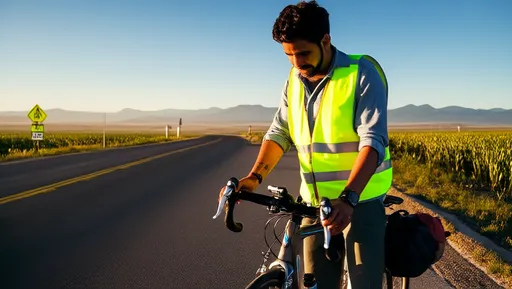
Planning your driving schedule is another crucial safety measure. Make it a firm rule to only drive during daylight hours. Night driving introduces a host of additional hazards, including poorly lit roads, increased likelihood of encountering drunk drivers, animals on the roadway, and a higher risk of criminal activity. Plot your route in advance using a reliable GPS application like Google Maps or Waze, which can provide real-time traffic and hazard alerts. However, always have a general sense of your direction, as service can be spotty in mountainous or rural regions. When navigating cities, be particularly wary of distracted pedestrians and a high volume of motorcycles weaving through traffic.
Beyond the Rental Car: Navigating Public and Private Transport
For many free-roaming travelers, a rental car isn't always the answer, especially for short trips or city exploration. In these instances, selecting safe alternative transport is key. For long-distance travel, first-class buses operated by companies like ADO are an excellent choice. They are generally modern, comfortable, reliable, and have a strong safety record. Within cities, ride-hailing services like Uber and DiDi, where available, offer a significant safety advantage over traditional taxis. The trip is tracked, the driver is identified, and payment is cashless, reducing risks for tourists.
If you must use a regular taxi, never hail one randomly from the street. Instead, always use an official "sitio" taxi stand, typically located at airports, bus stations, and major hotels. These taxis are registered and dispatched from a fixed location, providing a layer of accountability. Before getting in, confirm the fare or insist that the meter is used. When using any form of public transportation, remain aware of your surroundings and keep your valuables secure and out of sight to avoid becoming a target for pickpockets.
When Things Go Wrong: Your Emergency Action Plan
Despite all precautions, accidents can happen. Having a clear, pre-established action plan can make a critical difference in a stressful situation. The immediate priority is always safety. If the accident is minor and the vehicles are drivable, move to a safe, well-lit location away from the flow of traffic to assess damage and exchange information. Mexico has a unique system called "República de Peatones" for minor incidents with no injuries, where drivers can agree on fault and avoid involving police, but this is generally not advisable for tourists due to the potential for complications.
In any accident involving injuries, significant damage, or a dispute, your first call should be to emergency services by dialing 911. Operators often have English-speaking capabilities. Next, contact your rental car company's emergency line and your travel insurance provider. They will guide you through their specific procedures. It is essential to document everything. Take extensive photographs of the scene, all vehicles involved, license plates, and any visible injuries. If police arrive, obtain a copy of the official report ("constancia de hechos" or "atestado"). Do not sign any documents you do not fully understand, and avoid making statements that could be construed as an admission of guilt. Politely insist on waiting for your rental company's representative or your insurance provider's guidance.
Cultural Awareness and Personal Vigilance: The Unseen Shields
Finally, safety on the road is intertwined with general situational awareness. While most Mexicans are incredibly warm and hospitable, it pays to be discreet. Avoid flashing expensive jewelry, camera equipment, or large amounts of cash. When using an ATM, do so inside a bank during business hours rather than using a street-side machine. Keep a low profile and trust your instincts. If a situation or a location feels unsafe, leave immediately. Blending in, showing respect for local customs, and maintaining a calm, confident demeanor can significantly reduce your chances of being targeted for crime.
Traveling freely through Mexico is an immensely rewarding experience. The country's rich tapestry of sights, sounds, and flavors is best explored at your own pace. By acknowledging the risks without being paralyzed by fear, and by adopting a strategy built on preparation, vigilance, and respect, you can confidently navigate the roads and fully immerse yourself in the incredible journey that awaits. Your safety ultimately rests in your hands, and with the right knowledge, you can ensure that your memories are of the stunning landscapes and vibrant culture, not of a preventable mishap.

By /Sep 28, 2025

By /Sep 28, 2025
By /Sep 28, 2025

By /Sep 28, 2025

By /Sep 28, 2025

By /Sep 28, 2025

By /Sep 28, 2025
By /Sep 28, 2025

By /Sep 28, 2025

By /Sep 28, 2025
By /Sep 28, 2025
By /Sep 28, 2025
By /Sep 28, 2025

By /Sep 28, 2025

By /Sep 28, 2025

By /Sep 28, 2025

By /Sep 28, 2025

By /Sep 28, 2025

By /Sep 28, 2025
By /Sep 28, 2025
