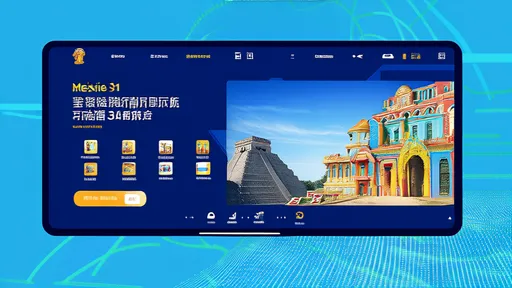
Mexico is revolutionizing the way Chinese travelers experience its vibrant culture and stunning landscapes by launching a comprehensive network of official state tourism websites. This ambitious digital initiative, encompassing all 32 states, is specifically designed to empower the growing number of Chinese tourists to plan their journeys with unprecedented autonomy and confidence.
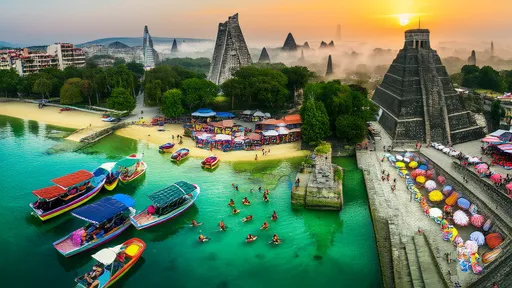
The project represents a significant strategic shift in Mexico's tourism outreach. Instead of relying solely on generalized national campaigns, the government has recognized the need for deeper, more localized information. Each of the 32 state portals now serves as a dedicated digital concierge, offering a treasure trove of details that go far beyond the well-trodden paths of Cancun and Los Cabos. For the discerning Chinese traveler, this means access to the hidden gems of Oaxaca's culinary scene, the archaeological wonders of Chiapas, and the magical towns of Guanajuato, all from the comfort of their smartphone.
Understanding the unique preferences and digital habits of the Chinese market has been central to this project. The websites are not mere translations of their Spanish counterparts. They are culturally adapted platforms featuring content that resonates with Chinese sensibilities. Key information on visa procedures, customs regulations, and currency exchange is presented with crystal clarity, addressing common pre-travel anxieties. Furthermore, the sites integrate seamlessly with popular Chinese social media platforms like WeChat and Weibo, allowing users to easily share itineraries and travel discoveries with their networks.
Navigation and accessibility are paramount. The interfaces are designed to be intuitive, with high-quality visuals and mobile-responsive designs that cater to a population accustomed to planning entire trips on their devices. Detailed, practical information is a cornerstone of the initiative. Travelers can find meticulously curated guides on transportation options, including how to navigate local bus systems or hire reputable taxi services. Accommodation listings range from luxury resorts to boutique hotels and even local guesthouses, complete with user reviews and direct booking links where possible.
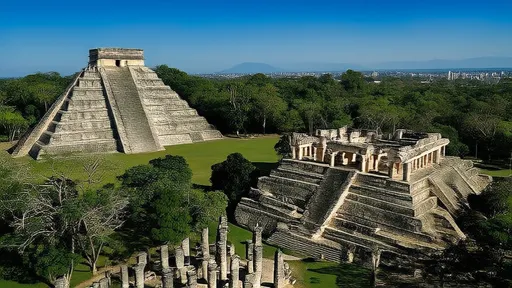
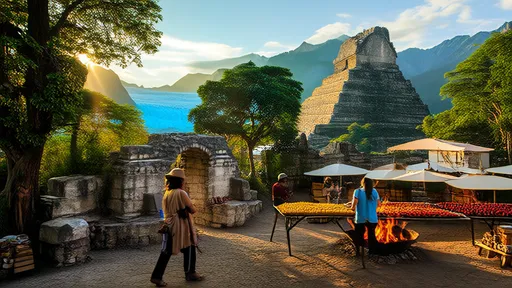
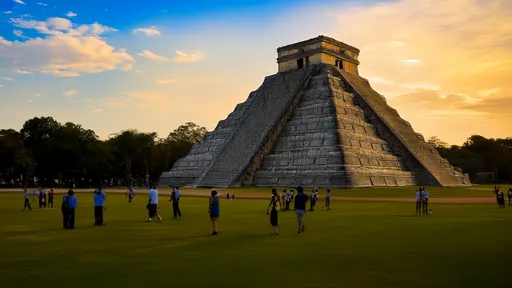
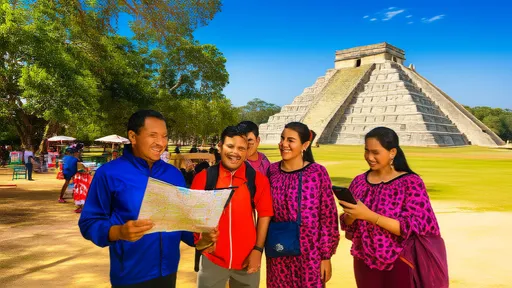
Perhaps the most impactful feature is the depth of cultural and experiential content. The websites go beyond listing attractions; they provide context. For instance, a section on visiting a Mayan archaeological site might explain the significance of the structures, suggest the best time of day for photography, and recommend local guides who can offer tours in Mandarin. This empowers Chinese tourists to engage with Mexico's heritage on a much deeper level, transforming a simple visit into an enriching educational experience.
The economic implications of this digital push are substantial. By facilitating independent travel, Mexico is tapping into the lucrative Free Independent Traveler (FIT) segment of the Chinese market. These travelers tend to stay longer, spend more on local experiences, and disperse their visits beyond major resort areas, thereby distributing economic benefits more evenly across the country. This strategy also positions Mexico as a forward-thinking, tech-savvy destination, enhancing its competitive edge in the global tourism arena.
This network of websites is more than just a collection of travel guides; it is a bridge between cultures. It demystifies Mexico for the Chinese traveler, replacing uncertainty with reliable, firsthand information. It signals a profound respect for the Chinese tourist, acknowledging their desire for authentic, self-directed adventures. As this digital infrastructure continues to evolve, it promises to foster a new era of tourism, one where exploration is limitless and the journey is truly personalized.
The success of this initiative will likely be measured not just in increased visitor numbers, but in the stories those visitors bring home. When a family from Shanghai confidently navigates the markets of Merida, or a group of friends from Beijing explores the copper canyon on their own terms, it represents a triumph of connection and understanding. Mexico's 32-state digital gateway is, therefore, a bold investment in building lasting relationships with one of the world's most important travel demographics.

By /Sep 28, 2025

By /Sep 28, 2025

By /Sep 28, 2025
By /Sep 28, 2025

By /Sep 28, 2025

By /Sep 28, 2025
By /Sep 28, 2025

By /Sep 28, 2025

By /Sep 28, 2025
By /Sep 28, 2025

By /Sep 28, 2025

By /Sep 28, 2025
By /Sep 28, 2025
By /Sep 28, 2025

By /Sep 28, 2025
By /Sep 28, 2025
By /Sep 28, 2025

By /Sep 28, 2025

By /Sep 28, 2025

By /Sep 28, 2025
