In the world of culinary experimentation, few things are as satisfying as discovering a technique that not only improves the quality of a dish but also aligns with sustainable practices. One such method that has been gaining traction among chefs and home cooks alike is the use of spent coffee grounds as a meat tenderizer and flavor enhancer. This might sound unconventional at first, but the science and sensory results behind it are compelling enough to warrant serious attention.
The concept of using coffee in cooking is not entirely new; coffee has long been a secret ingredient in many chili recipes, chocolate desserts, and even barbecue sauces for its ability to add depth and complexity. However, its application as a tenderizing agent for meats is a relatively recent exploration, born out of both curiosity and a desire to reduce waste. With millions of tons of coffee grounds discarded annually, repurposing them in the kitchen presents an eco-friendly solution that also elevates culinary outcomes.
So, how exactly does coffee achieve this dual purpose? The answer lies in its chemical composition. Coffee is naturally acidic, containing compounds like chlorogenic acid and tannins. These acids work to break down the tough muscle fibers and connective tissues in meat, much like the action of more common tenderizing agents such as vinegar, citrus juice, or yogurt. This process, known as denaturation, helps to soften the meat, making it more palatable and easier to chew.
Beyond tenderizing, coffee grounds impart a unique and robust flavor profile to the meat. The rich, earthy, and slightly bitter notes of coffee can complement a wide range of proteins, from beef and pork to lamb and even poultry. When used in a marinade, the grounds form a paste that adheres well to the surface of the meat, allowing the flavors to penetrate deeply during the marinating process. This results in a beautifully crusted exterior when cooked, with a tender, flavorful interior that surprises and delights the palate.
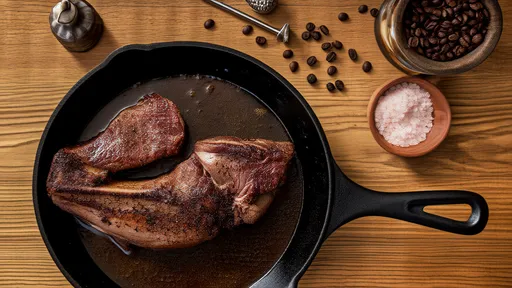
To put this theory to the test, a series of experiments were conducted comparing coffee-marinated meats with those treated using traditional methods. Cuts like flank steak, which are known for their toughness, were selected for the trials. One batch was marinated in a mixture of spent coffee grounds, olive oil, garlic, and a touch of brown sugar for balance. Another was treated with a conventional acidic marinade based on lemon juice, and a third was left unmarinated as a control.
The results were striking. The coffee-marinated steak exhibited a noticeably softer texture after cooking, requiring less effort to cut and chew compared to the control. Even against the lemon juice marinade, the coffee version held its own, offering a tenderness that was on par, if not superior in some aspects. But where it truly shone was in the flavor department. The coffee created a complex, smoky crust when seared, with none of the overpowering bitterness one might fear. Instead, it lent a nuanced richness that enhanced the natural taste of the beef without masking it.
Similar experiments with pork chops and chicken thighs yielded equally promising outcomes. The coffee grounds formed an excellent medium for spice adherence, allowing for the incorporation of additional flavors like smoked paprika, cumin, or even chili powders. This makes it incredibly versatile across various cuisines, from Mexican-inspired rubs to Asian-style glazes. The sugar in the marinade mixture also promoted better caramelization during cooking, leading to a more appealing visual presentation and a delightful textural contrast.
Of course, like any technique, using coffee grounds requires some finesse. The grind size matters; too fine, and it might become muddy, too coarse, and it won’t adhere properly. Spent grounds are ideal because they are less intense than fresh ones, reducing the risk of imparting an overly bitter taste. The marinating time is also crucial. For most cuts, 4 to 12 hours is sufficient. Beyond that, the acids might over-tenderize the meat, giving it a mushy consistency—a common pitfall with any acidic marinade.
From an environmental perspective, this method is a small but meaningful step toward reducing kitchen waste. Instead of throwing used coffee grounds into the trash, where they contribute to landfill mass, they can be given a second life, adding value to another meal. It’s a practice that resonates with the growing zero-waste movement and appeals to environmentally conscious consumers who are constantly seeking ways to minimize their ecological footprint.
Adopting this technique does not require any special equipment or hard-to-find ingredients. Most households that brew coffee already have the main component on hand. The other elements—oil, acid like vinegar or citrus, sweeteners, and spices—are pantry staples. This accessibility makes it an easy method to incorporate into routine cooking, encouraging more people to experiment and reduce waste simultaneously.
In conclusion, the use of spent coffee grounds as a meat tenderizer and flavor additive is more than just a quirky kitchen hack; it is a scientifically sound, environmentally friendly, and gastronomically rewarding practice. It demonstrates how everyday waste products can be transformed into valuable culinary tools, enhancing both the sustainability and the enjoyment of our food. As more cooks embrace this method, it has the potential to become a mainstream technique, celebrated for its ability to deliver tenderness and taste while honoring the principles of reduction and reuse.
By /Aug 20, 2025
By /Aug 20, 2025

By /Aug 20, 2025
By /Aug 20, 2025

By /Aug 20, 2025

By /Aug 20, 2025
By /Aug 20, 2025
By /Aug 20, 2025

By /Aug 20, 2025
By /Aug 20, 2025
By /Aug 20, 2025

By /Aug 20, 2025

By /Aug 20, 2025
By /Aug 20, 2025
By /Aug 20, 2025

By /Aug 20, 2025
By /Aug 20, 2025
By /Aug 20, 2025

By /Aug 20, 2025
By /Aug 20, 2025