In the vibrant tapestry of Southeast Asian cuisine, few ingredients carry as much complexity and tradition as fish sauce. Known for its pungent aroma and deeply savory flavor, it is the backbone of countless dishes, from the tangy som tam of Thailand to the savory broths of Vietnam. Yet, beyond its conventional uses in savory cooking, a surprising and innovative application has emerged: fish sauce in fruit salads. This unexpected pairing might raise eyebrows at first, but it unlocks a world of flavor that is both refreshingly modern and deeply rooted in culinary wisdom. It is a testament to the innovative spirit of contemporary chefs and home cooks who are not afraid to bend the rules to create something truly extraordinary. This exploration is not about masking the sweetness of fruit but about enhancing it, creating a symphony of taste where sweet, sour, salty, and umami dance in perfect harmony.
The concept of adding savory or salty elements to fruit is not entirely new. Think of the classic prosciutto e melone of Italy or the common practice of salting watermelon to heighten its sweetness. Southeast Asian palates have long understood this principle on a more profound level. The region's cuisine is famous for its bold and balanced flavors, often achieved by combining elements that, on the surface, seem contradictory. The idea of incorporating fish sauce, or nam pla in Thai and nước mắm in Vietnamese, into a dressing for juicy mangoes, crisp apples, or creamy avocado is a natural extension of this philosophy. It pushes the boundaries of the expected, transforming a simple fruit salad from a sweet side dish into a complex, palate-awakening experience that can serve as a starter, a side, or even a light main course.
At the heart of this culinary adventure is the sauce itself. A high-quality fish sauce is paramount. It should be made primarily from anchovies and salt, fermented for a significant period to develop a deep, rich umami flavor rather than a harsh, overly salty bite. The best varieties have a clear, amber color and a complex aroma that hints at the sea without being unpleasantly fishy. This quality is crucial because it will form the base of your dressing, and a poor-quality sauce will overwhelm the delicate flavors of the fruit. When balanced correctly, the fish sauce doesn't scream "fish"; instead, it provides a savory depth, a roundness that makes the sweetness of the fruit pop in a way that sugar alone never could. It is the secret weapon, the umami bomb that elevates the entire dish.
Creating the perfect dressing is an art of balance. The powerful saltiness of the fish sauce must be tempered and complemented. This is where the other classic Southeast Asian flavors come into play. Freshly squeezed lime juice is non-negotiable. Its sharp, clean acidity cuts through the richness of the fish sauce and brightens the entire salad. A touch of sweetness is also essential to bridge the gap between the savory sauce and the sweet fruit. Palm sugar is the traditional choice, prized for its caramel-like notes that are less cloying than white sugar. It can be gently dissolved in a bit of warm water or lime juice before being whisked into the dressing. For a touch of heat, finely minced bird's eye chili can be added, its fiery punch awakening the taste buds. Finally, a hint of garlic, finely grated, adds another layer of aromatic complexity. Whisked together, these ingredients create a potent, flavorful nectar that is far greater than the sum of its parts.
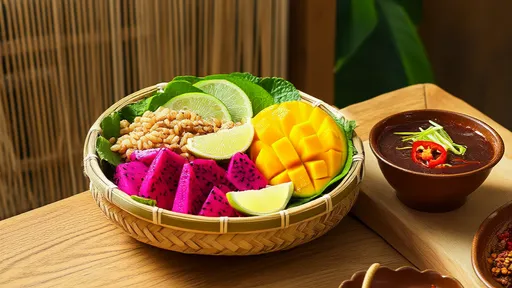
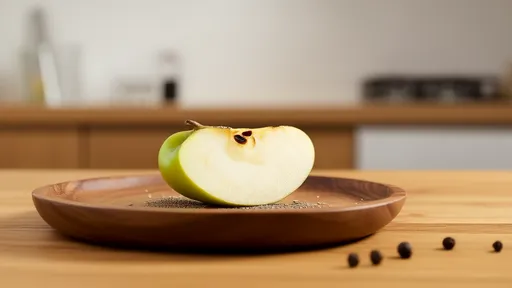
The choice of fruit is where you can truly get creative and play with textures and flavors. The goal is to select fruits that can stand up to the bold dressing without turning to mush. Traditional Southeast Asian choices are a fantastic starting point. Green (unripe) mango offers a fantastic tartness and firm crunch. Ripe pineapple brings intense sweetness and juiciness. Pomelo or grapefruit segments provide a delightful bitterness and burst of juice. Papaya, either green or ripe, adds a soft, fragrant quality. Beyond the tropics, don't be afraid to experiment. Crisp apples and pears provide a wonderful firm texture and mild sweetness. Strawberries and raspberries can add a pop of color and tartness, though they are best added just before serving. Even creamy avocado can work, its rich, buttery texture providing a beautiful contrast to the sharp dressing. The key is to cut the fruit into uniform, bite-sized pieces to ensure every forkful is a perfect mix.
To build the salad, combine your chosen fruits in a large bowl. It's often best to keep more delicate berries or soft fruits like banana separate until the very end to prevent them from breaking down. Drizzle the dressing over the fruit just before serving—allowing it to sit for more than 10-15 minutes can cause the fruit to release too much water and become soggy, diluting the powerful flavors of the dressing. Toss everything gently but thoroughly to ensure every piece is glistening with the savory-sweet glaze. The final flourish is just as important. A generous handful of fresh herbs is essential. Roughly torn Thai basil or mint leaves introduce a fantastic aromatic freshness that lifts the entire dish. A sprinkling of roasted, crushed peanuts adds a crucial element of texture—a satisfying crunch that contrasts with the soft fruit—and a nutty flavor that complements the dressing beautifully. For an extra layer of texture and a visual punch, some fried shallots on top are absolutely divine.
The result is nothing short of magical. The first taste is a revelation. The initial sweetness of the fruit hits your tongue, followed immediately by the complex, savory tang of the dressing. The lime juice makes your mouth water, the chili provides a gentle warmth at the back of the throat, and the umami from the fish sauce gives the entire experience a profound depth and satisfying quality that a standard fruit salad completely lacks. It is simultaneously refreshing and hearty, light yet deeply flavorful. It challenges your preconceptions of what a fruit salad can be. This dish is a celebration of contrast and harmony, a perfect example of how the most unexpected pairings can produce the most memorable results. It is a taste of Southeast Asian innovation, a bold and refreshing try that is sure to become a new favorite for those brave enough to experiment.
By /Aug 20, 2025
By /Aug 20, 2025

By /Aug 20, 2025
By /Aug 20, 2025

By /Aug 20, 2025
By /Aug 20, 2025
By /Aug 20, 2025
By /Aug 20, 2025

By /Aug 20, 2025
By /Aug 20, 2025
By /Aug 20, 2025

By /Aug 20, 2025
By /Aug 20, 2025
By /Aug 20, 2025
By /Aug 20, 2025

By /Aug 20, 2025

By /Aug 20, 2025
By /Aug 20, 2025

By /Aug 20, 2025
By /Aug 20, 2025