Pressure Cooker Red Bean Paste: Direct Cooking Without Soaking for Time-Saving

Aug 20, 2025 By

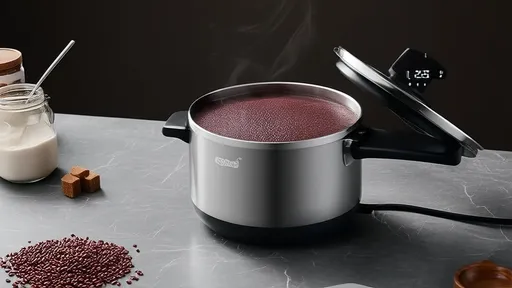
In the bustling rhythm of modern kitchens, efficiency is often the unsung hero of culinary success. Among the myriad of time-saving appliances, the electric pressure cooker has emerged as a true game-changer, particularly for tasks that traditionally demanded hours of patient simmering. One such task, the preparation of red bean paste, a staple in many Asian desserts, is notoriously time-consuming due to the required pre-soaking of the hard, dry beans. This lengthy process, often taking upwards of eight hours, can deter even the most enthusiastic home cook from attempting these beloved recipes on a whim.

The conventional wisdom has always been clear: you must soak the beans. This hydrates them, reduces cooking time on the stove, and is believed to lead to a smoother, more evenly cooked paste. To skip this step was considered a culinary shortcut that would inevitably lead to inferior results—beans that were tough, unevenly softened, or that simply refused to break down into that silky, desired consistency. This dogma has been passed down through generations, embedded in cookbooks and family recipes alike.

However, the advent and sophistication of the modern electric pressure cooker are challenging these long-held beliefs. These powerful countertop devices create a sealed, high-pressure environment that dramatically increases the boiling point of water. This intense heat and pressure work in concert to force moisture into food particles far more aggressively than conventional boiling ever could. It's this fundamental principle that opens the door to a revolutionary question: What if we could bypass the soaking altogether?

The answer, as explored by a growing number of adventurous home cooks and food bloggers, is a resounding yes. The high-pressure environment is uniquely capable of tackling rock-hard dried beans directly. The pressurized steam penetrates the beans' tough exterior with incredible efficiency, effectively performing the hydration and cooking processes simultaneously. This isn't a slight reduction in time; it's a monumental leap. A task that once required a full day of planning (soaking) plus an hour or more of active cooking can be condensed into a single, hands-off cycle inside the pressure cooker, often taking less than an hour from start to finish.

So, how does one achieve this kitchen alchemy? The process is deceptively simple, but a few key details ensure success. Begin with good quality, dry adzuki beans. There's no need to pick through them for stones if you've purchased from a reputable source, but a quick rinse under cold water is always advisable to remove any dust. The critical factor is the ratio of water to beans. Because there is no pre-soaking, the beans will absorb a significant amount of water during cooking. A general guideline is to use a three-to-one ratio of water to beans by volume. For example, for one cup of dried beans, use three cups of water. This ensures there is ample liquid for the beans to absorb and for the cooker to build pressure, preventing a dreaded burn notice.

The cooking time is the other crucial variable. For perfectly softened adzuki beans destined to become paste, a cooking time of 30 to 40 minutes on high pressure

Once the pressure has released, open the lid to find perfectly cooked, tender beans swimming in a reduced, starchy liquid. At this stage, you have a blank canvas. For a smooth paste, you would transfer the entire contents to a blender or use an immersion blender directly in the pot (ensure the pot is not non-stick if using a metal immersion blender). For a more traditional, slightly textured paste, a potato masher works beautifully. The final step is to sweeten the mixture to your taste. Return the pureed beans to the cooker (using the sauté function if your model has it) or to a separate saucepan. Add sugar, traditionally rock sugar or brown sugar, and a pinch of salt. Cook, stirring constantly, until the sugar dissolves and the paste thickens to your desired consistency. Some recipes also incorporate a small amount of fat, like coconut oil or butter, at this stage for added richness and shine.

The advantages of this method extend far beyond mere convenience. The flavor profile is remarkably concentrated and deep. By avoiding the soaking process, none of the beans' natural starches or subtle flavors are lost to the discard water. Everything is retained within the cooking pot, resulting in a paste that often tastes more bean-forward and complex than its soaked counterpart. Furthermore, the texture can be superior. The intense pressure forces the beans to break down completely, resulting in an exceptionally smooth and homogeneous paste with minimal effort, eliminating the gritty texture that can sometimes occur with improperly soaked beans.

Of course, this revolutionary approach is not without its considerations. The primary one is the water-to-bean ratio. Using too little water is the most common pitfall, risking the beans scorching on the bottom of the pot and triggering the cooker's safety mechanism. It is always better to err on the side of more water, as any excess can be easily cooked off during the final thickening stage with the sugar. Additionally, while most modern electric pressure cookers are incredibly consistent, the first time you try this method, it may be wise to check the beans at the lower end of the recommended time. You can always cook them for a few more minutes if needed, but you cannot uncook them.

This no-soak, pressure-cooker method for red bean paste is more than just a handy trick; it is a testament to how technology can elegantly simplify and improve traditional cooking techniques. It dismantles a long-standing culinary rule and empowers home cooks to create a foundational ingredient with unprecedented ease and speed. The result is not a compromised version of the original but often a superior one—richer in flavor, flawless in texture, and achievable on any weeknight. It invites experimentation, perhaps encouraging the addition of a pandan leaf during cooking for fragrance or a swirl of coconut milk at the end for creaminess. It transforms red bean paste from a project into a possibility, seamlessly integrating a taste of tradition into the pace of modern life.
Recommend Posts
Food

Quick Soaking of Dried Kelp: Steaming Preserves Nutrition Better Than Boiling

By /Aug 20, 2025

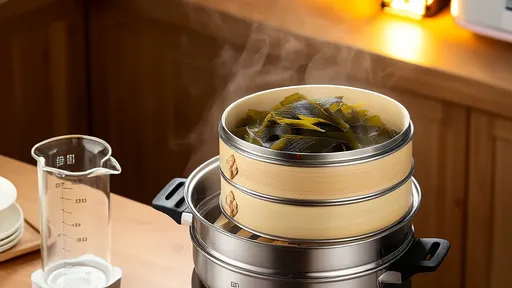
In the world of culinary arts and nutrition, the preparation of ingredients often holds as much importance as the cooking process itself. Among various food items, dried kelp stands out for its dense nutritional profile and versatility, yet many home cooks struggle with its lengthy rehydration time. Traditional methods often involve prolonged soaking or boiling, but recent insights from culinary science suggest a superior approach: steaming over boiling to preserve nutrients and enhance quality.
Food

Tomato Freezing Method: Peel Instantly After Thawing

By /Aug 20, 2025

In the quiet hum of modern kitchens, a revolution is simmering, one that turns a tedious culinary chore into a task of mere seconds. It’s a method whispered between home cooks and celebrated by chefs who value both efficiency and elegance: the frozen tomato skinning technique. This isn't just another kitchen hack; it's a fundamental rethinking of our interaction with a foundational ingredient, leveraging the simple, transformative power of temperature.
Food

Oven Preheating Judgment: Dimming of Heating Elements Indicates Temperature Reached

By /Aug 20, 2025

In the quiet hum of a kitchen, the oven stands as a sentinel of culinary transformation. For generations, home bakers and professional chefs alike have relied on a peculiar, almost folkloric signal to gauge its readiness: the dimming of the glowing heating elements. This visual cue, passed down through recipe cards and whispered tips, is more than just old wives' tale; it is a fascinating interplay of basic physics, engineering design, and practical thermodynamics. To understand why the elements go dark is to understand the very heart of how an oven maintains a stable environment for perfect roasts, golden breads, and delicate pastries.
Food

Comparison of Cornstarch and Flour for Anti-stick Powder in Dumpling Boxes

By /Aug 20, 2025

In the world of homemade dumplings, one of the most persistent challenges faced by cooks is preventing delicate dough from sticking to storage containers. Whether preparing for a family feast or meal prepping for the week, ensuring that each dumpling remains intact and easily separable is crucial. The age-old solution to this culinary conundrum involves dusting the dumpling boxes or trays with a dry, powdery substance to create a barrier between the dough and the surface. For generations, home cooks and professional chefs alike have reached for two common pantry staples to serve this purpose: all-purpose wheat flour and cornstarch. While both are white powders that might seem interchangeable to the untrained eye, they possess distinct properties that lead to markedly different outcomes in the practice of dumpling storage.
Food

Steamer for Reheating Leftovers: Techniques for Softening Steamed Buns and Baozi, Preventing Dryness, and Water Control

By /Aug 20, 2025

In the bustling rhythm of modern life, leftovers have become an integral part of our daily meals. Among these, steamed buns and buns, staples in many households, often lose their delightful texture after refrigeration, turning hard and dry. While the steamer is a traditional tool for reviving them, not every kitchen is equipped with one. Enter the humble egg steamer—a compact, often underutilized appliance that can surprisingly double as a savior for reheating leftovers like mantou (steamed buns) and baozi (stuffed buns) while preserving their softness and moisture. This article delves into practical techniques for using an egg steamer to reheat these items effectively, ensuring they emerge just as inviting as when first steamed.
Food

Don't Throw Away Coriander Roots: A Flavor Booster for Soups and Stir-Fries

By /Aug 20, 2025

In the bustling world of culinary arts, where exotic spices and rare ingredients often steal the spotlight, there exists a humble yet profoundly aromatic treasure hiding in plain sight—the oft-discarded cilantro root. While the vibrant green leaves garnish dishes worldwide, their subterranean counterparts linger in obscurity, unjustly relegated to compost bins or trash bags. Yet, for those initiated into its secrets, the cilantro root emerges as an unsung hero of depth and flavor, a versatile powerhouse capable of transforming mundane broths and stir-fries into symphonies of aroma and taste.
Food

Reviving Soggy Nuts: Baking on Low Heat in a Pan

By /Aug 20, 2025

There is a particular kind of kitchen heartbreak reserved for discovering a once-crispy, satisfying handful of nuts has turned soft, chewy, and utterly disappointing. It’s a common plight, often a result of improper storage or simply the passage of time, where these nutritional powerhouses succumb to ambient moisture. The immediate reaction for many is to sadly toss them into the compost bin, resigning themselves to a loss. But what if that fate wasn’t final? What if, with a bit of simple kitchen alchemy, you could bring them back from the culinary brink?
Food

Low-Temperature Sous Vide Eggs: Comparison of Egg Yolk at 63°C and 68°C

By /Aug 20, 2025

In the world of sous vide cooking, eggs hold a special place. They are a perfect canvas for exploring the nuances of temperature and time, two variables that a sous vide immersion circulator controls with unparalleled precision. Among the various experiments, comparing the yolk texture of an egg cooked at 63°C versus one cooked at 68°C is a classic demonstration. The difference is not merely a matter of a few degrees on a dial; it is the difference between a silky, custard-like dream and a firm, crumbly classic. This exploration delves into the science and sensory experience behind these two distinct yolk states.
Food

Utilizing Kettle Residual Heat: An Energy-Saving Habit for Washing Small Kitchenware

By /Aug 20, 2025

In the quiet hum of the modern kitchen, where efficiency and sustainability increasingly take center stage, a simple yet profoundly effective habit is gaining traction among environmentally conscious households: harnessing the residual heat from a boiled kettle to sanitize small kitchen utensils. This practice, born from a blend of traditional thrift and contemporary ecological awareness, represents a micro-solution with macro implications for energy conservation and waste reduction in our daily lives.
Food

Fish Sauce-Dressed Fruit Salad: A Refreshing Taste of Southeast Asian Flavors

By /Aug 20, 2025

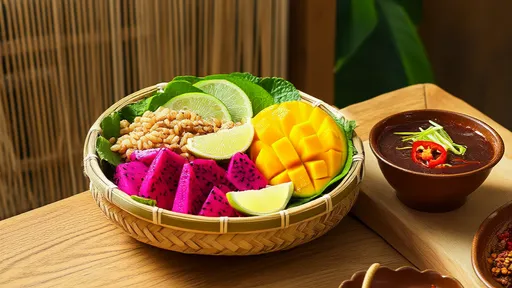
In the vibrant tapestry of Southeast Asian cuisine, few ingredients carry as much complexity and tradition as fish sauce. Known for its pungent aroma and deeply savory flavor, it is the backbone of countless dishes, from the tangy som tam of Thailand to the savory broths of Vietnam. Yet, beyond its conventional uses in savory cooking, a surprising and innovative application has emerged: fish sauce in fruit salads. This unexpected pairing might raise eyebrows at first, but it unlocks a world of flavor that is both refreshingly modern and deeply rooted in culinary wisdom. It is a testament to the innovative spirit of contemporary chefs and home cooks who are not afraid to bend the rules to create something truly extraordinary. This exploration is not about masking the sweetness of fruit but about enhancing it, creating a symphony of taste where sweet, sour, salty, and umami dance in perfect harmony.
Food

Cumin with Fruit: The Unexpected Deliciousness on Apple Slices

By /Aug 20, 2025

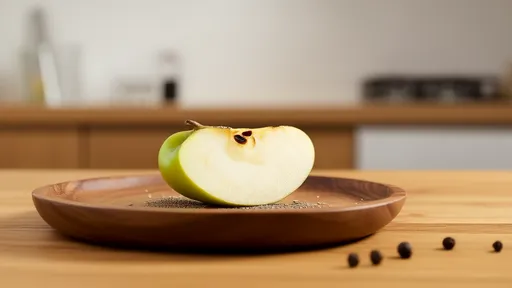
It began, as many culinary revolutions do, with a happy accident. A forgotten spice jar left on the counter, a bowl of crisp apple slices intended for a snack, and a moment of pure, unadulterated curiosity. The result was nothing short of a revelation. The warm, earthy, and slightly smoky aroma of cumin, a spice we instinctively relegate to the savory realms of tacos, kebabs, and curries, dusted over the cool, sweet, and tart flesh of a fresh apple. It sounds like a dissonant chord, a flavor combination that shouldn’t work. Yet, it sings. This is not just a new snack; it’s a gateway to rethinking the very architecture of flavor on our palates.
Food

Microwave Disinfection of Sponges: High Power for 1 Minute Effectively Sterilizes"

By /Aug 20, 2025

In the quiet hum of modern kitchens, a surprising battle against bacteria is being waged with an unlikely weapon: the microwave. For years, a practical piece of folk wisdom has suggested that zapping a damp kitchen sponge on high for a minute is a brilliant way to sanitize it, nuking the germs that fester within its porous structure. This method, seemingly too simple to be true, has piqued the interest of homeowners and scientists alike, leading to a fascinating intersection of everyday convenience and rigorous scientific inquiry.
Food

Pan-frying Dumplings: The Perfect Ratio of Starch Water for Icy Flowers

By /Aug 20, 2025

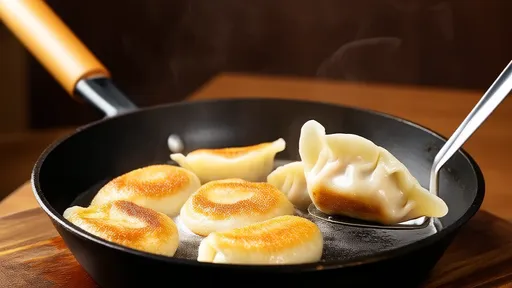
In the quiet kitchens of Asia, a culinary phenomenon has been quietly perfected over generations, now capturing the fascination of home cooks worldwide: the art of the perfect guotie, or potsticker, crowned with a delicate, lace-like lattice known as the "ice flower." This isn't merely a cooking technique; it's a dance of heat, water, and starch, a chemical ballet that transforms humble ingredients into a textural masterpiece. The secret, as any seasoned dumpling master will whisper, lies not in a special pan or a magical ingredient, but in the precise and almost alchemical ratio of water to starch.
Food

Perilla-Wrapped Barbecue: A Refreshing and Fragrant Partner for Summer Grilling

By /Aug 20, 2025

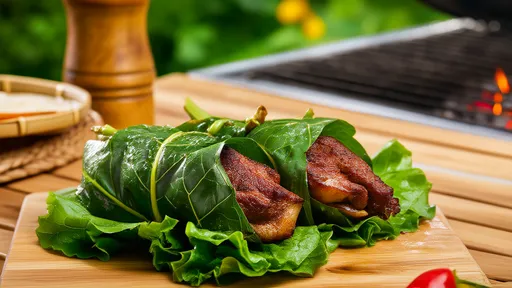
As the summer sun casts its golden glow and the scent of charcoal fills the air, the ritual of grilling becomes a centerpiece of warm-weather gatherings. While classics like burgers, ribs, and skewers often steal the spotlight, there exists a humble yet transformative companion that elevates the entire experience: the perilla leaf. Known for its distinctive aroma and refreshing qualities, this herb is not merely a garnish but a vital player in the art of barbecue, particularly in traditions where balance and flavor harmony are paramount.
Food

Batch Processing of Garlic Peeling: Shaking Basin Method

By /Aug 20, 2025

In kitchens across the globe, a quiet revolution is taking place, one clove at a time. For generations, the humble garlic clove has been a cornerstone of flavor, its pungent aroma signaling the start of countless meals. Yet, for all its culinary glory, garlic has always presented a tedious, sticky, and time-consuming challenge: peeling. The act of individually removing the papery skin from each clove has frustrated home cooks and professional chefs alike, often leaving behind the tell-tale scent on fingers for hours. It is a universal kitchen grievance, a small but persistent obstacle in the pursuit of efficient cooking.
Food

Stainless Steel Bowl Whipping Egg Whites: Tips for Stable Foam Without Copper Ions

By /Aug 20, 2025

Whipping egg whites to stiff, glossy peaks is a cornerstone technique in the pastry kitchen, a process that can feel as much like alchemy as science. For generations, the unspoken rule has been clear: use a copper bowl. The interaction between the copper ions and the proteins in the egg whites was long believed to be the secret to an incredibly stable, voluminous, and fine-textured meringue. This piece of culinary dogma has sent countless home bakers and professional chefs on a quest for the perfect copper vessel, often viewing a stainless steel bowl as a second-rate, if not entirely futile, alternative. However, a deeper exploration into the food science behind aeration reveals that achieving a supremely stable foam without a trace of copper is not only possible but can be mastered with a few key insights.
Food

Fermented Tofu Spread on Toast: A Fusion of Chinese Flavors with Western Breakfast

By /Aug 20, 2025

In the quiet hum of morning kitchens across the Western world, a quiet revolution is taking place atop the humble slice of toast. For generations, the ritual has been dominated by sweet jams, rich butter, or savory yeast extracts. But a new contender, hailing from the ancient culinary traditions of China, is challenging the status quo. This is the story of fermented tofu, or furǔ, and its unexpected but triumphant journey onto the breakfast table, creating a fascinating dialogue between Eastern fermentation science and Western morning customs.
Food

Coffee Grounds Marinated Meat: Natural Tenderizer and Flavor Enhancer Experiment

By /Aug 20, 2025

In the world of culinary experimentation, few things are as satisfying as discovering a technique that not only improves the quality of a dish but also aligns with sustainable practices. One such method that has been gaining traction among chefs and home cooks alike is the use of spent coffee grounds as a meat tenderizer and flavor enhancer. This might sound unconventional at first, but the science and sensory results behind it are compelling enough to warrant serious attention.
Food

Pressure Cooker Red Bean Paste: Direct Cooking Without Soaking for Time-Saving

By /Aug 20, 2025

In the bustling rhythm of modern kitchens, efficiency is often the unsung hero of culinary success. Among the myriad of time-saving appliances, the electric pressure cooker has emerged as a true game-changer, particularly for tasks that traditionally demanded hours of patient simmering. One such task, the preparation of red bean paste, a staple in many Asian desserts, is notoriously time-consuming due to the required pre-soaking of the hard, dry beans. This lengthy process, often taking upwards of eight hours, can deter even the most enthusiastic home cook from attempting these beloved recipes on a whim.
Food

Boiling Time Chart: Shrimp, Squid, and Greens - A Matter of Seconds

By /Aug 20, 2025

In the bustling kitchens of Cantonese restaurants, there exists a culinary philosophy that transcends mere cooking—it’s a race against time. The art of blanching, known as baizhuo in Mandarin, demands precision, intuition, and an almost obsessive attention to seconds. For shrimp, squid, and leafy greens, every moment in boiling water is a delicate dance between perfection and ruin. This isn’t just about technique; it’s about honoring the ingredients.